You might ask yourself, can I clip my horse in the summer? Short answer, YES!
Clipping horses in the summer provides a slightly different set of challenges and benefits compared to winter. We’ve compiled pros, cons and advice in this handy guide to help you decide what’s best for your horse.
Clipping your horse all year round can be extremely beneficial, depending on your horse’s individual needs. However, we’ll explain a few things to consider below and bust some clipping myths.
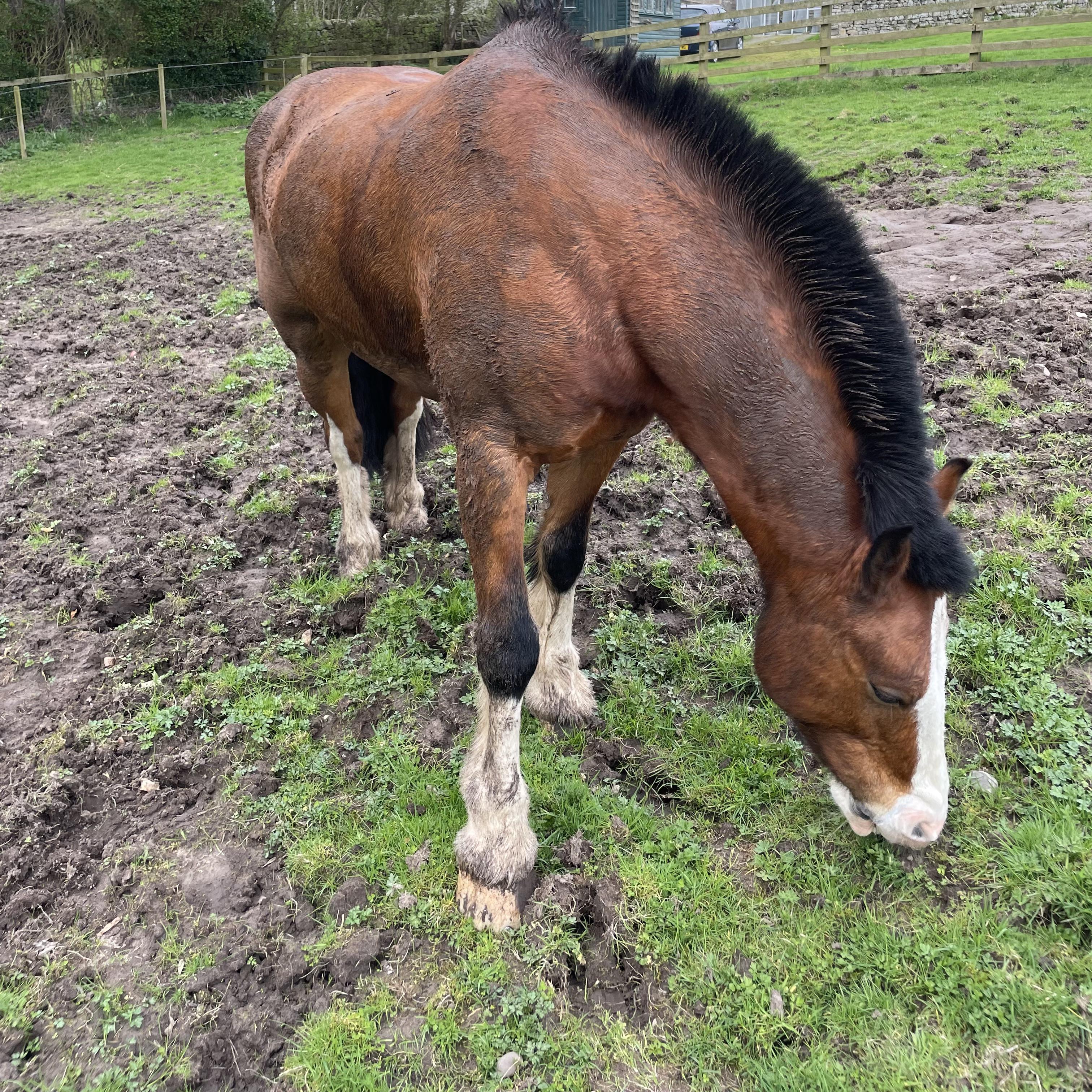
Traditionally, horses are clipped during the winter. As the days get shorter, horses grow a thick, waterproof winter coat to protect them from seasonal weather conditions. The thickness of this coat varies depending on breed, for example, a Cob or Irish Draft may grow a thicker coat than a Thoroughbred. These natural winter coats are excellent for protecting from the weather but can become problematic for horses in work.
Benefits of Clipping
- Temperature regulation: even fit horses in work can sweat heavily, drying a sweaty horse with a thick winter coat is a difficult task, and can result in them getting a chill.
- Simple management: a clipped horse will usually sweat less and dry quicker, reducing the need to wait around for your horse to dry with their sweat rug on before turning them out.
- Easier to clean: a hairy horse has more surface area to attract mud! A clipped horse will be easier to clean.
- Happier horse: some horses become irritated when they sweat, clipping reduces this irritation.
- Close inspection: a short coat allows you to spot any areas of concern, lumps, bumps or anything else quicker than searching underneath a thick layer of hair.
So, what about clipping in the summer?
You might think: “Clipping after the end of January will ruin his summer coat”.
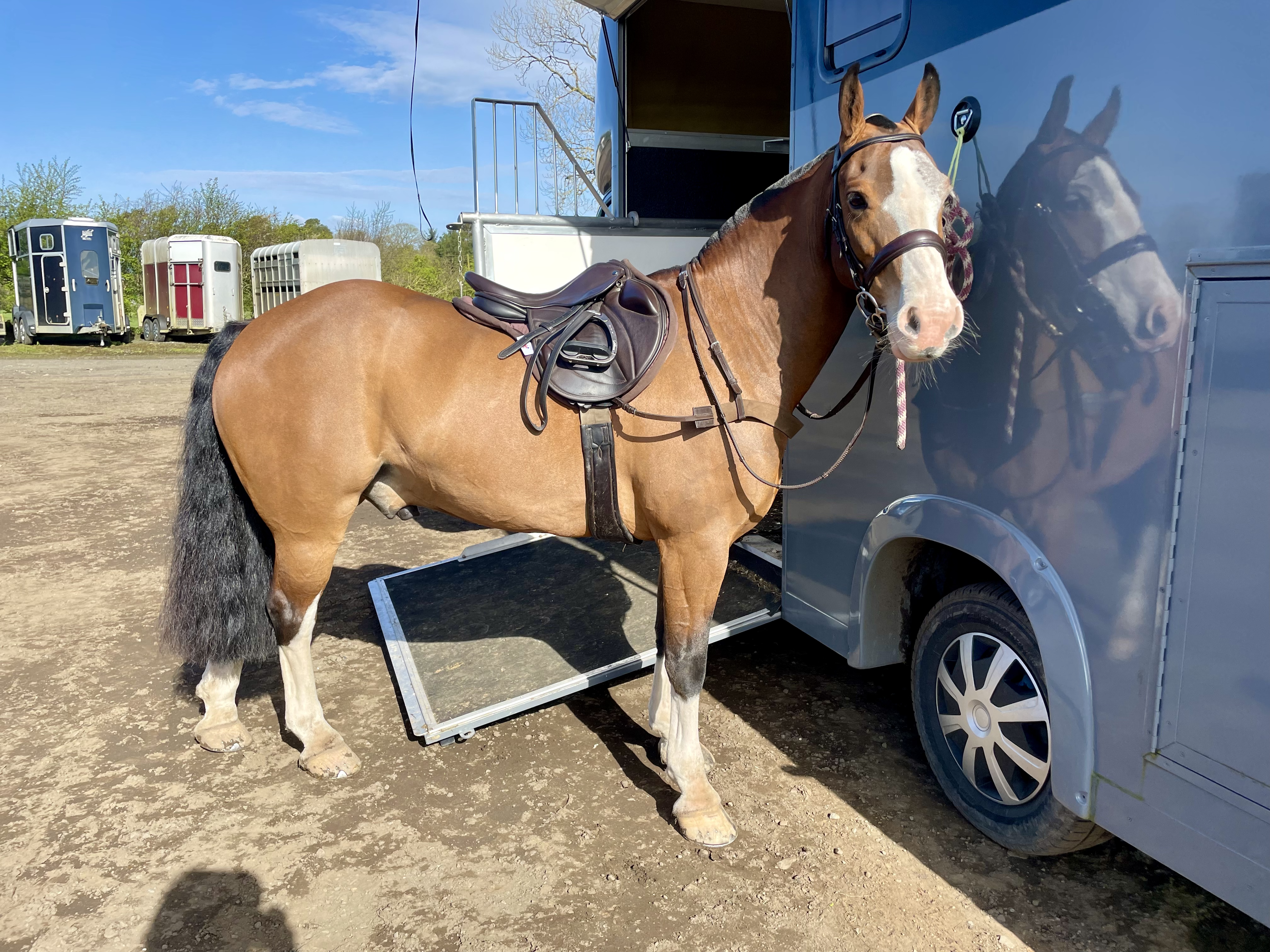
This is a myth: All horses are individuals with different factors resulting in varying types of summer coats. Not all horses will grow a summer coat perfectly suited to their needs. Clipping a thick, summer coat can help a horse to feel much more comfortable. Any concerns about ‘ruining’ the look of the coat, can be counteracted with the use of correct blades and blending. Some clipper brands have blades designed to leave more coat on the horse. These can be especially useful for horses and ponies used for showing to give a less ‘clipped’ look, or for pink-skinned horses that would benefit from more protection.
Lister Covercote Blades available from Clippersharp:
https://www.clippersharp.com
If you aren’t confident clipping your horse’s summer coat, seek advice from a professional groom to come and do it for you. Often they are skilled in blending so there is no need to take the leg hair off if this puts you off.
Find a groom near you on Yardd:
https://www.yardd.co.uk
Important things to consider
A horse grows a coat for natural protection – by clipping this off, you must compensate:
Sun protection
– A good UV-blocking rug can prevent any sun damage to your horse’s skin
Flies
– Providing adequate fly protection is important for clipped horses whose skin is more exposed to flies which can result in irritation from bites.
Warm-up and Cool-down
– Even in the great British summer, temperatures can drop and combined with wind and rain, even a fully clipped horse in the summer needs correct warming up and cooling down to prevent any muscle damage.
Top clipping tips
1. Clean Horse
Ideally give your horse a thorough bath the day before clipping, to remove as much grease and dirt from their coat. A clean coat results in a much better clip as the clippers don’t have to work as hard going through a clean coat. This will also be a much more comfortable experience for your horse.
2. Sharp Blades
Make sure your blades are sharp, one set of blades can usually last for 3 – 5 clips depending on the coat and clip type. It’s best to have two sets of blades so you always have a spare in case one goes blunt mid-clip!
3. Well-Maintained Clippers
Clippers should be regularly serviced to ensure they are safe to use and are operating correctly. If not, they can hurt the horse and produce a bad clip. Once a year is usually sufficient for personal use clippers. You may need to service more regularly if you are clipping multiple horses every month.
Tip: keep track of your clipper servicing in the Tack Room of myYardd, click here to create your free account.
4. Safety
If using corded clippers – ensure a circuit breaker is used in case of malfunction.
Another person can be helpful to hold up legs and for assistance with more sensitive areas like the face.
Check the temperature of the clippers and the blades throughout clipping to ensure they aren’t overheating.
Use a clipper oil to lubricate blades regularly.
Sensible use of sedation can help nervous and sensitive horses.
5. Post-Clipper Coat Care
Hot clothing after clipping is an excellent way to improve the quality of your clip. Using two buckets, dip a cloth in very hot water and wipe over your horse, use the 2nd bucket to clean your cloth. This draws out grease and helps to remove any loose hairs left on the coat from the clippers.